In what many are calling a staggering example of rapid-fire jailhouse turnaround, a Kansas man facing some of the most serious felony sex-crime charges imaginable spent less time behind bars than the length of an average movie. The sheer speed of the release has left observers stunned and ignited intense public scrutiny.
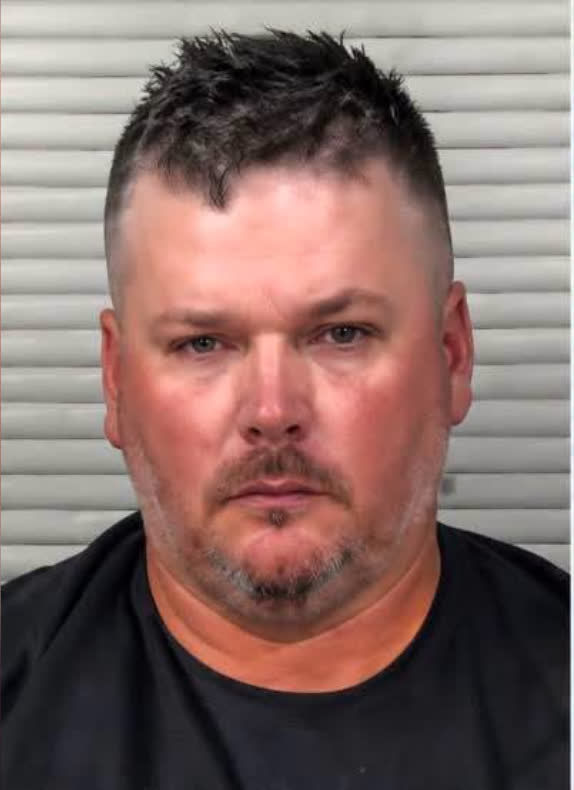
Derek Church, 39, of Meriden, was taken into custody Monday morning on high-level charges that typically carry severe scrutiny from law enforcement and the courts alike. Yet, within hours of crossing the threshold of the detention facility, Church was already walking back out into the free world.
According to Jefferson County Sheriff Tim Bacon, Church was formally arrested on an active warrant charging him with rape and aggravated sexual battery. These are not minor accusations; they are severe felony allegations that strike directly at community safety and public trust.
Official jail intake logs paint a timeline that moves with startling efficiency. Church was processed and booked into the Jefferson County Jail in Oskaloosa at exactly 7:59 a.m. on Monday morning, marking the beginning of what many assumed would be a prolonged custody stay.
Instead, the clock stopped running almost as soon as it started. By 10:51 a.m. that very same morning, Church had cleared all necessary paperwork, secured financial release, and walked out the front doors after posting a massive $150,000 bond.
When you calculate the minutes, the total duration Derek Church spent in custody following his booking comes out to approximately two hours and 52 minutes. For anyone tracking the mechanics of the criminal justice system, that window is shockingly brief for charges carrying such profound gravity.
Sheriff Bacon confirmed that the arrest warrant originated directly from formal charges filed by the Jefferson County Attorney. Law enforcement officials have also described the allegations as first-time charges, though the severity of the legal statutes involved remains undiminished.
Despite the high-profile nature of the arrest, authorities have maintained an extremely tight lid on the specifics surrounding the investigation. Crucial elements of the case remain shielded from the public eye as the legal process slowly begins to unfold.
Officials have not yet publicly released details regarding the alleged victim, the exact timeline of when these alleged offenses occurred, or the specific factual circumstances that prompted prosecutors to formally file the case. That void of information has only amplified public curiosity and concern across the region.
What is fully verified, however, is the undeniable speed with which a defendant facing rape and aggravated sexual battery charges was able to mobilize the resources necessary to secure his immediate release from behind bars.
The Realities of the $150,000 Bond
Securing a $150,000 bond in under three hours requires rapid coordination, significant financial backing, and immediate access to bail resources. For ordinary citizens, raising that level of capital or collateral often takes days, if not weeks of desperate scrambling.
Many critics and community advocates frequently point out the glaring disparities that define the cash bail system across the country. While individuals accused of low-level, non-violent misdemeanors often languish in county cells simply because they lack a few hundred dollars, those facing catastrophic felony accusations can buy their freedom in a matter of minutes if the funds are available.
Observers across social platforms have highlighted this exact contradiction, questioning the message it sends when serious allegations of sexual violence result in an intake-to-release turnaround that barely lasts the duration of a morning shift.
 Tragic College Slaying: 20-Year-Old Alabama State University Student Strangled to Death as Boyfriend Faces Murder Charges Following Shocking Confession
 At sixty-nine, I lived in upstate New York after losing my husband Robert, loving my adopted son Nathan whom we raised from two years old.
 Four months after I saved the man I loved from a burning building, he walked out with another woman.
The headline reality remains stark and impossible to ignore: rape charges, aggravated sexual battery charges, a $150,000 bond, and a grand total of 172 minutes between processing and departure. That reality has sparked fierce debate over accountability and the mechanics of pretrial release.
Yet, legal experts and observers emphasize that walking out on bond is strictly a procedural step, not an exoneration. Posting bond does not mean charges are dismissed, nor does it erase the severe legal peril looming over Derek Church.
The state of Kansas has formally initiated criminal proceedings, and the legal burden will soon shift inside the courtroom walls. Church remains obligated to answer to every specific allegation brought forward by the Jefferson County Attorney.
As the case moves forward, the community of Meriden and surrounding Jefferson County will be watching closely for transparency. With authorities currently withholding details about the incident, questions continue to swirl regarding the evidence gathered by investigators.
The public is left wondering about the timeline of the alleged offenses and the circumstances that brought local law enforcement to execute the warrant Monday morning. Until formal hearings commence, those critical details remain locked in prosecutorial files.
Church’s next mandatory appearance is already locked into the official calendar. He is scheduled to return to Jefferson County District Court on September 24 at 10:30 a.m. to face the charges against him on the record.
That upcoming court date will mark the first major opportunity for the public and legal observers to gain insight into the state’s case. It will also serve as the formal arena where the prosecution must begin substantiating the severe claims detailed in the arrest warrant.
Accountability and the Road to Court
Under the United States legal system, the charges against Derek Church remain allegations at this stage. Like every individual accused in a court of law, he is presumed innocent unless and until proven guilty through due process.
However, the presumption of innocence in a courtroom does not shield the justice system itself from intense public scrutiny when high-stakes decisions occur behind closed doors. The optics of a two-hour-and-52-minute detention for rape allegations continue to fuel widespread viral outrage.
Commentators argue that the justice system must maintain unwavering transparency, especially in cases involving alleged sexual violence, to ensure victims feel protected and communities remain informed. When releases happen this swiftly, it inevitably raises foundational questions about judicial priorities.
The contrast between the sheer weight of the criminal code citations and the breezy exit from the Jefferson County Jail in Oskaloosa has created a narrative that extends far beyond local county lines. It touches on national frustrations regarding privilege, legal access, and systemic fairness.
Derek Church may have bought his freedom for the interim, but the clock has not stopped ticking on the legal fight ahead. The allegations of rape and aggravated sexual battery carry monumental consequences that cannot be wiped away by a quick cashier’s check.
As September 24 approaches, all eyes will be squarely on the Jefferson County courthouse at 10:30 a.m., where the formal machinery of justice will finally begin to demand answers. Until then, the record stands: booked at 7:59 a.m., released at 10:51 a.m., and a community demanding full accountability.
No Comments yet!