“THESE ARE COMPUTER GENERATIONS INSIDE MY OWN HOME”!!! BELIEVE IT OR NOT, PROSECUTORS SAY STEVEN ANDEREGG USED ARTIFICIAL INTELLIGENCE TO CREATE THOUSANDS OF ILLEGAL-STYLE IMAGES OF FICTIONAL MINORS… AND NOW A FEDERAL APPEALS COURT HAS UPHELD THE DISMISSAL OF HIS POSSESSION CHARGE UNDER THE FIRST AMENDMENT.
A federal appeals court in Wisconsin issued the ruling.
The decision addresses whether constitutional rights apply to specific computer-generated material.
The court ruled that a person’s private possession of fully AI-generated images depicting fictional minors can be protected by the First Amendment.
That constitutional protection applies when no real child is involved.
It also depends on the material remaining inside the home.
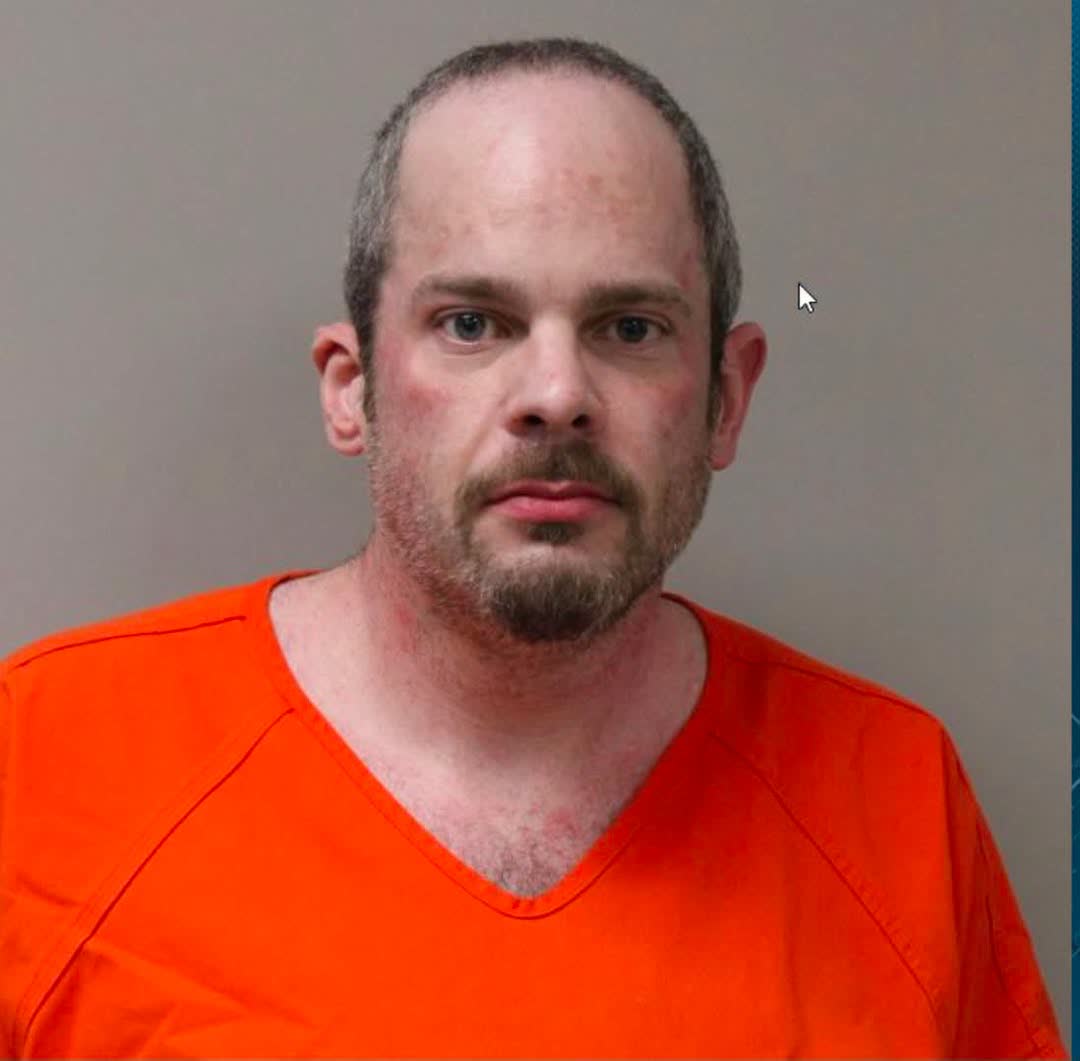
The federal case centers on Steven Anderegg.
In May 2024, Anderegg was arrested.
Federal prosecutors alleged that he used an AI image generator.
They alleged that he used the tool to create thousands of illegal-style images.
Those images involved fictional minors.
But prosecutors raised additional allegations against him.
Prosecutors also accused Anderegg of communicating with a 15-year-old boy.
They accused him of sending images to the teenager.
Those allegations are separate from the constitutional issue addressed in this ruling.
And other charges against Anderegg remain pending.
The appeals court evaluated the federal possession charge.
The court upheld the dismissal of that possession charge.
In reaching its decision, the appeals court relied on earlier U.S. Supreme Court decisions.
Those high court rulings protected the private possession of obscene material.
They also protected certain virtual depictions that do not involve real children.
Yet modern technology has challenged that legal framework.
Judge John Z. Lee made clear that modern AI has complicated those older legal standards.
Modern technology can create fictional images that are nearly indistinguishable from material involving real victims, he warned.
Lee suggested the Supreme Court may need to revisit the issue.
The ruling does not create a blanket right to distribute this type of material.
It does not permit individuals to send the images.
It does not allow anyone to circulate them.
Instead, the decision remains narrowly focused.
It applies only to private possession.
It covers solely fully virtual content.
It applies only where no real child is depicted.
Other charges in the case are still pending.
The charges are allegations and have not been proven in court.
No Comments yet!