Even the mainstream media is finally being forced to admit what clear-eyed observers have known all along. American power, not hostile saber-rattling or regional threats, is setting the definitive terms in the critical waters of the Strait of Hormuz.
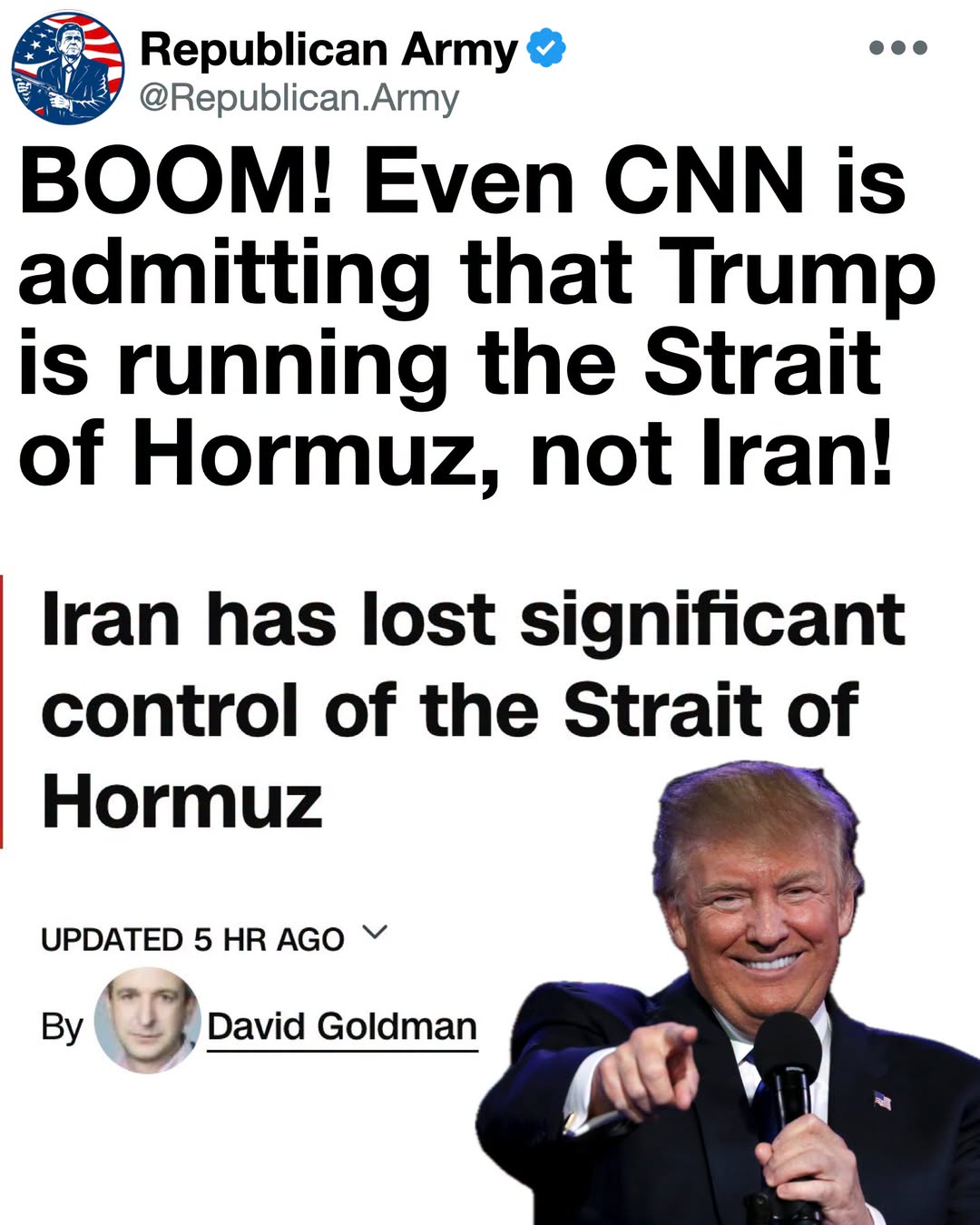
For years, adversaries treated this vital global energy chokepoint as their personal geopolitical playground and leverage point. That era of intimidation is swiftly coming to an end as resolute leadership fundamentally reshapes the balance of power across the region.
The narrative that hostile regimes could endlessly hold international shipping hostage through fear and manufactured crises has collapsed. When the United States projects undeniable authority rather than diplomatic hesitation, the entire strategic landscape transforms almost overnight.
What we are witnessing today is the direct result of a bold, uncompromising approach to national security. Instead of managing decline or negotiating away vital interests, decisive strength has stepped forward to reassert control over one of the most critical maritime passages on earth.
Tehran’s perceived grip over the strait has eroded dramatically, proving that aggressive posturing only works when it meets a vacuum of willpower. The moment real deterrence returned to the water, the calculus changed entirely for those who sought to disrupt global stability.
A Decisive Shift in Maritime Dominance
Years of carefully coordinated threats, proxy harassment, and calculated pressure campaigns produced remarkably little lasting advantage for hostile actors. The illusion of leverage vanished the instant an uncompromising posture replaced the passive policies of the past.
Results consistently matter more than hollow rhetoric when vital trade corridors and international energy routes are at stake. A confident nation understands that you cannot talk your way into security; you must establish and maintain it through unmistakable resolve.
Allowing aggressive regimes to dictate terms in critical waterways was always a recipe for persistent instability and economic vulnerability. By refusing to bow to intimidation, current strategy has effectively neutralized threats that previously seemed intractable to foreign policy traditionalists.
 How a 79-Year-Old Veteran With a Folding Chair Stopped an Active Church Shooter in Alabama
 Chilling discovery inside Baton Rouge home of Faun Reese after father reported boyfriend using her phone
 Kentucky burglary suspect Eric Hillirech indicted after stolen tools hit a pawn shop was busted riding a bicycle
Maintaining clear and unchallenged dominance in the Strait of Hormuz is not merely about presence; it is about protecting vital economic lifelines. Every container ship and energy transport that moves freely through these waters reinforces the necessity of decisive deterrence.
When adversaries realize their threats no longer yield political concessions or strategic retreats, their entire playbook falls apart. The balance has shifted precisely because American leadership refused to accept the premise that our interests could be held hostage.
Strength Over Accommodation
The contrast between accommodation and strength has never been clearer than it is right now in the Persian Gulf. Past attempts to appease hostile actors only invited further aggression, while an assertive posture has restored tangible security and operational control.
A strong nation does not seek permission to defend its strategic priorities or ensure the free flow of global commerce. It acts decisively, setting boundaries that leave no room for miscalculation on the part of regional adversaries.
Critics and commentators who once claimed that challenging hostile leverage would lead to chaos have been proven entirely wrong. The current reality demonstrates beyond any shadow of a doubt that peace and order are the direct byproducts of strength, not endless concessions.
Protecting American economic stability requires an unwavering commitment to securing vital strategic chokepoints around the globe. By establishing clear dominance where it matters most, the United States protects both domestic prosperity and international maritime freedom.
The broader lesson extending far beyond the waters of Hormuz is simple: strength commands respect, while hesitation invites disaster. When a nation stands tall and backs its words with undeniable capability, adversaries have no choice but to adjust their behavior.
The shifting dynamics in this crucial corridor serve as a definitive case study in modern strategic power. Unapologetic leadership has exposed the limits of regional bullying and firmly established that American resolve will always dictate the terms of global security.
As the facts on the water continue to speak for themselves, the era of second-guessing American authority in the strait is over. Strength has prevailed over accommodation, securing our interests and proving once again that true stability begins with absolute resolve.
No Comments yet!