There is an undeniable standard at the very core of American liberty: the public sidewalk belongs to the people. Yet, when government restrictions specifically target peaceful prayer and quiet sidewalk counseling outside abortion facilities, they expose a deeply troubling and selective approach to our most fundamental freedoms. The moment public spaces are cordoned off to suppress specific viewpoints, the promise of free expression is severely compromised.
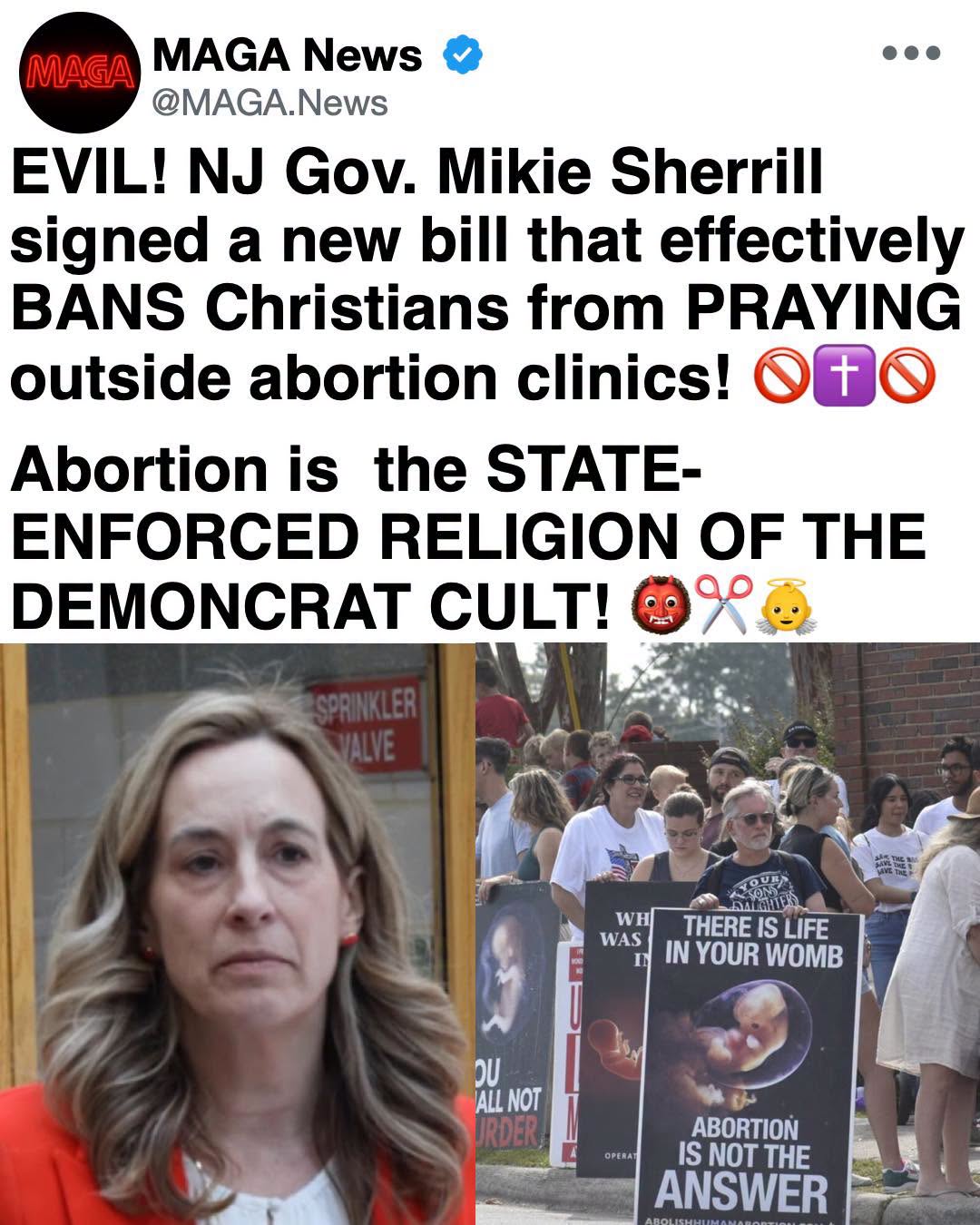
For generations, the public square has served as the bedrock of civic dialogue, assembly, and personal witness. Citizens have always held the unalienable right to stand on public walkways, share their perspectives, and offer assistance to their fellow community members without begging for official government permission. When that basic right is curtailed based solely on the location or the nature of the message, constitutional equality is cast aside.
The First Amendment was never designed to protect only convenient, uncontroversial, or government-favored speech. It exists precisely to safeguard the right of individuals to speak their conscience, particularly on profound matters of life, ethics, and morality. Allowing the state to dictate who may speak and what may be said on a standard public sidewalk sets a perilous precedent that undermines liberty for every citizen.
When authorities actively prohibit peaceful religious expression while simultaneously protecting other forms of public demonstration, they establish a blatant double standard. This selective enforcement reveals that equal protection under the law is being subordinated to favored policy outcomes. A free society cannot claim to champion civil liberties while actively engineering legal carve-outs to silence viewpoints it finds inconvenient.
Public sidewalks are the quintessential traditional public forum where free speech should be most vigorously protected, not arbitrarily restricted. Stripping away the right to peacefully gather and pray in these shared spaces fundamentally alters the relationship between the citizen and the state. It transforms a universal constitutional guarantee into a conditional privilege granted at the discretion of regulatory authorities.
Those who stand quietly outside clinics offering counseling, support, or silent prayer are engaging in classic, time-honored expressive conduct. This type of peaceful presence has historically enjoyed the highest level of legal protection available under our system of government. It represents the very essence of grassroots citizen advocacy and moral witness in the public square.
Targeting this specific form of advocacy while permitting other gatherings on adjacent streets creates an intolerable hierarchy of acceptable conscience. It sends a clear and dangerous signal that the state is willing to decide which moral convictions are permissible to express in public. Such policies disregard the fundamental constitutional mandate that the government must remain neutral regarding the content of peaceful speech.
Criminalizing a peaceful presence on a sidewalk treats moral opposition itself as if it were an inherent legal offense. It conflates quiet, non-violent communication with genuine disruption or unlawful threats. When the law punishes the mere act of offering words of hope or silent intercession, it reveals that the state is targeting the message rather than addressing any actual public safety concern.
A truly free and open society does not demand that its people remain silent about critical issues simply because they are standing near a licensed facility. No commercial or medical operation possesses the authority to place the surrounding public sidewalk beyond the reach of the United States Constitution. Public walkways must remain open forums for dialogue and assembly, regardless of the private activities taking place inside nearby buildings.
The attempt to establish ideological buffer zones around certain establishments fundamentally erodes the integrity of our shared public spaces. When citizens are told they cannot stand, pray, or speak on a standard street corner, the entire framework of viewpoint neutrality collapses. The public square must never be privatized or sanitized to shield preferred operations from peaceful, lawful interaction.
A Dangerous Double Standard on the Public Sidewalk
Whenever the government decides that certain topics are too sensitive for public discussion, the bedrock principle of equal treatment is fractured. Laws written to silence one specific perspective while leaving others untouched do not promote public order; they enforce state-sanctioned orthodoxy. This approach fundamentally distorts the rule of law and punishes individuals solely for their moral and religious convictions.
Expressive conduct, whether it takes the form of quiet conversation, handing out literature, or kneeling in silent contemplation, represents the purest exercise of individual liberty. Restricting these peaceful actions under the guise of public administration creates a chilling effect that extends far beyond a single issue. Once the state assumes the power to selectively ban speech in public forums, no viewpoint is truly safe from future censorship.
Observers have long noted that the true measure of a society’s commitment to free expression lies in how it treats speech that challenges prevailing institutional norms. When local ordinances and state statutes actively penalize individuals who offer charitable alternatives and compassionate counsel, the state oversteps its legitimate authority. Freedom of speech becomes entirely meaningless if it can be extinguished the moment it is exercised near an institution favored by the state.
The right of citizens to engage with one another on public property is not subject to a government veto. Requiring individuals to obtain special clearance or conform to rigid speech zones before uttering a peaceful word on a sidewalk turns the First Amendment upside down. Constitutional rights belong inherently to the people; they are not benevolent grants issued by administrative bodies.
Equating peaceful sidewalk counseling with unlawful harassment is a dangerous rhetorical and legal maneuver designed to justify broad suppression. There is a profound, undeniable difference between genuine physical obstruction and the peaceful offering of support, yet restrictive speech policies intentionally blur this vital distinction. By treating peaceful moral conviction as a public nuisance, the state betrays its obligation to protect lawful assembly.
Every American has a direct stake in ensuring that public sidewalks remain open to all voices, without exception. If the government can ban peaceful prayer outside one type of facility today, it can easily ban peaceful protest outside another facility tomorrow. The erosion of constitutional protections is never confined to a single group or viewpoint; it inevitably expands to encompass all public discourse.
The integrity of our legal system relies entirely on the consistent, non-discriminatory enforcement of constitutional rights. When enforcement becomes selective, public trust in the law dissolves. The state cannot be permitted to act as an ideological gatekeeper, deciding which peaceful gatherings are celebrated and which are subjected to criminal penalties.
True public order is maintained by holding individuals accountable for actual criminal acts, violence, and genuine intimidation, not by preemptively banning peaceful expression. Restricting quiet speech and prayer assumes that the public is incapable of navigating diverse viewpoints in open spaces. This paternalistic approach is fundamentally incompatible with the principles of self-governance and individual freedom.
The ongoing push to marginalize those who pray and counsel in public spaces strikes at the heart of our national identity. It challenges the foundational idea that citizens can peacefully stand witness to their deeply held beliefs wherever public life occurs. Defending these basic rights is not merely about protecting a specific message; it is about defending the universal principle of free expression for everyone.
When the law singles out specific groups for exclusion based on the moral content of their message, it violates the essential covenant of a free republic. The First Amendment does not grant government officials the authority to pick winners and losers in the marketplace of ideas. Its sole function is to ensure that the public square remains open, accessible, and free from state censorship.
The Vital Standard of Equal Protection
Protecting the right to pray and offer counsel on public sidewalks reaffirms that constitutional liberties apply universally, without geographic or ideological exceptions. No industry, procedure, or policy goal can ever be permitted to nullify the fundamental freedoms guaranteed to all Americans. The public sidewalk must remain a sanctuary for uninhibited speech, peaceful witness, and personal conscience.
Equal enforcement of speech protections remains the only consistent, lawful, and principled standard for a free society. When we uphold the absolute right of citizens to speak, gather, and pray without official hindrance, we preserve the very essence of American liberty. Upholding that standard for all people, on every public street, is the ultimate test of our enduring commitment to freedom.
No Comments yet!