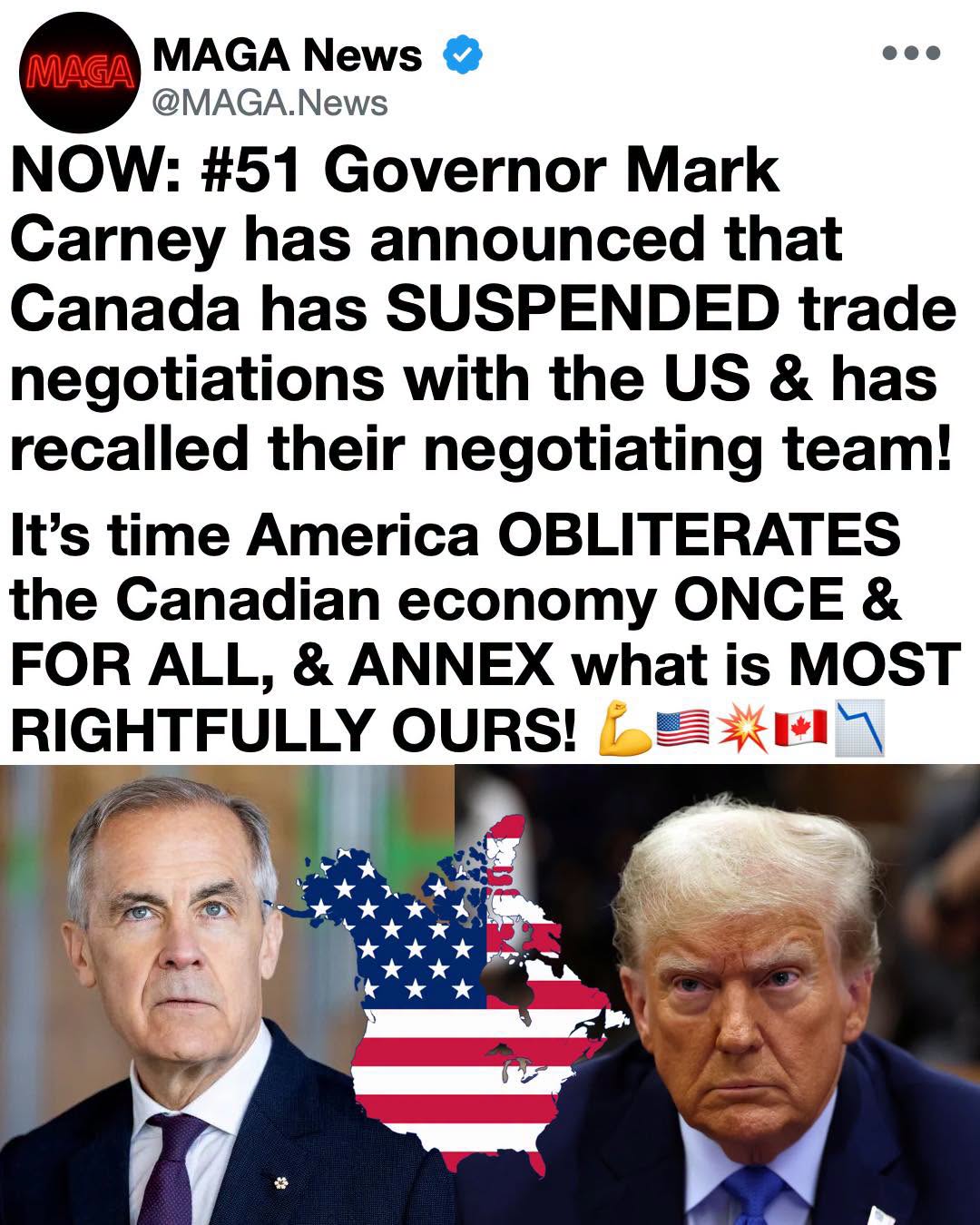
Canada’s sudden decision to pull its negotiators and suspend active trade talks sends an unmistakable signal across the international stage. Rather than leaning into mutual prosperity, our northern neighbor has chosen an abrupt path of confrontation over constructive cooperation. When a key trade partner decides to walk away from the table, the strategic response cannot be hesitation or retreat.
For decades, the standard diplomatic playbook pushed American interests into accommodating positions whenever talks hit turbulence. That era is over. The immediate and necessary response must fiercely defend American workers, domestic manufacturers, and vital energy producers before anything else.
Walking away from active dialogue is not a posture of strength; it is a calculated gamble designed to stall necessary reforms. Observers recognize that genuine cooperation requires two willing parties committed to shared value. When that balance breaks, decisive leadership must step in to protect the home front.
Every commercial arrangement across our border directly impacts family livelihoods, local factory floors, and critical power grids. Allowing another nation to dictate the tempo of diplomacy puts domestic industry at a distinct and dangerous disadvantage. Clear, unapologetic resolve is the only rational posture when cross-border talks are unilaterally frozen.
The plain reality of international commerce is that strong leverage remains the only universal language. Polished pleasantries and passive patience do not restore balanced deals when the other side packs up its briefcases. Concrete economic strength and firm positioning are the bedrock tools that prevent one-sided arrangements from taking root.
Working communities have already carried the heavy burden of unbalanced cross-border agreements for far too long. Past missteps have drained vital capital, shifted competitive advantages, and cost countless high-paying domestic jobs. Continuing down that same path under the illusion of polite diplomacy only invites deeper economic harm.
Domestic energy producers and advanced manufacturers represent the backbone of our national self-reliance and daily stability. When negotiations are suspended, these critical sectors must know that their own government will not trade away their future. Fair reciprocity is not a symbolic negotiating tactic; it is an absolute requirement for long-term survival.
Citizens rightfully demand concrete results rather than endless diplomatic stalls that yield zero accountability. When foreign partners refuse to negotiate in good faith, the immediate priority must always shift toward insulating our domestic industrial base. Protecting national strength requires establishing firm boundaries that reward genuine partnership while penalizing deliberate obstruction.
The notion that foreign access to American consumers is guaranteed regardless of reciprocal respect must be permanently dismantled. Access to the most dynamic marketplace in the world is a hard-earned privilege, never an entitlement. When that basic reality is forgotten at the negotiating table, real pressure is required to restore proper perspective.
 Florida mother who drove with baby in lap before crash killed two unrestrained children gets four years
 Aaron Brown Myers, who shot 17-year-old Hazrat Ali Rohani seven times in the back, gets 25 years
 Chilling details uncovered about secret California ranch of Jalisco cartel kingpin Juan Carlos Valencia Gonzalez
Leaving the bargaining table should never be rewarded with concessions or desperate pleas for an immediate return. A self-respecting nation that values its own economic future refuses to let suspended talks stand as the final verdict. Applying steady, unwavering pressure reminds retreating partners that cooperation is a two-way street.
A Clear-Eyed Approach to Economic Leverage
Decisive domestic policy is the greatest safeguard against external economic volatility and sudden diplomatic freezes. When our neighbors realize that foot-dragging will not yield unearned advantages, the incentive structure fundamentally changes. Clear-eyed firmness forces better outcomes far more reliably than endless rounds of passive accommodation.
History proves that when leaders stand firm, the resulting agreements are stronger, more durable, and fundamentally fairer. One-sided trade frameworks only persist when one party is willing to absorb continuous losses for the sake of appearances. Ending that cycle requires an uncompromising defense of domestic production and local capital investment.
American workers have proven time and again that they can out-compete anyone when the economic playing field is truly level. What they cannot overcome are artificial structural barriers and abrupt diplomatic walkouts designed to preserve outdated arrangements. Leveling that field demands persistent strength from policymakers at every single stage of engagement.
Strategic supply chains must be safeguarded from foreign posturing and arbitrary interruptions. By prioritizing domestic capacity in energy, manufacturing, and core materials, the nation builds an impenetrable shield against sudden trade disruptions. True resilience comes from self-reliance, not from perpetual dependence on hesitant partners.
Every small town and industrial hub depends on the reliable flow of fair, uninterrupted trade anchored by mutual respect. When cross-border talks stall, the communities that sustain our real economy feel the immediate tremors. Protecting their economic security requires an aggressive stance that refuses to compromise on core national interests.
The message delivered by our stance must be clear, transparent, and completely free of diplomatic ambiguity. If partners wish to benefit from the unmatched scale of our consumer base, they must meet us with fair and open terms. Anything less is a non-starter that fails the basic test of reciprocal fairness.
Economic leverage is not something to be hidden or apologized for; it is an essential instrument of statecraft. Using that leverage decisively ensures that future arrangements will finally reflect the true value our nation brings to the table. Standing strong today prevents catastrophic structural disadvantages tomorrow.
The choice facing trade partners is straightforward: return to productive dialogue in good faith, or face the reality of an energized, self-reliant neighbor. Stalled talks will never hold our national prosperity hostage or derail the upward momentum of domestic industry. Our economic future remains firmly in our own hands.
Ultimately, unyielding conviction is the ultimate foundation of enduring national strength and global respect. By placing American workers, manufacturers, and energy producers at the absolute center of our strategy, we secure a prosperous and resilient future. Standing firm is not just a tactical choice—it is an undeniable duty to the working men and women of this nation.
No Comments yet!